
Did the chaos hinder performance, or did it, in some ways, drive accountability and results? The division faced challenges similar to other parts of Lira City, including poor road networks, yet it made comparable efforts to address them. This suggests that both conflict-ridden and peaceful leadership can struggle or succeed under similar conditions. The council’s own leaders argue that their disagreements pushed them to work harder, and to some extent, their outcomes support this claim.
By Denish Ongora
Lira City West Division Council began on a promising note, led by the intelligent Speaker Okello Daniel and the late Mayor Michael Ogwal Aconga, a respected urban leader known for opening road networks in previously chaotic communities. Backed by an experienced deputy mayor, Amolo Rose Ongom, and a team of seasoned councilors, the leadership appeared well-equipped to steer the division toward progress. Expectations were high, and many believed the division was set for effective governance and service delivery.
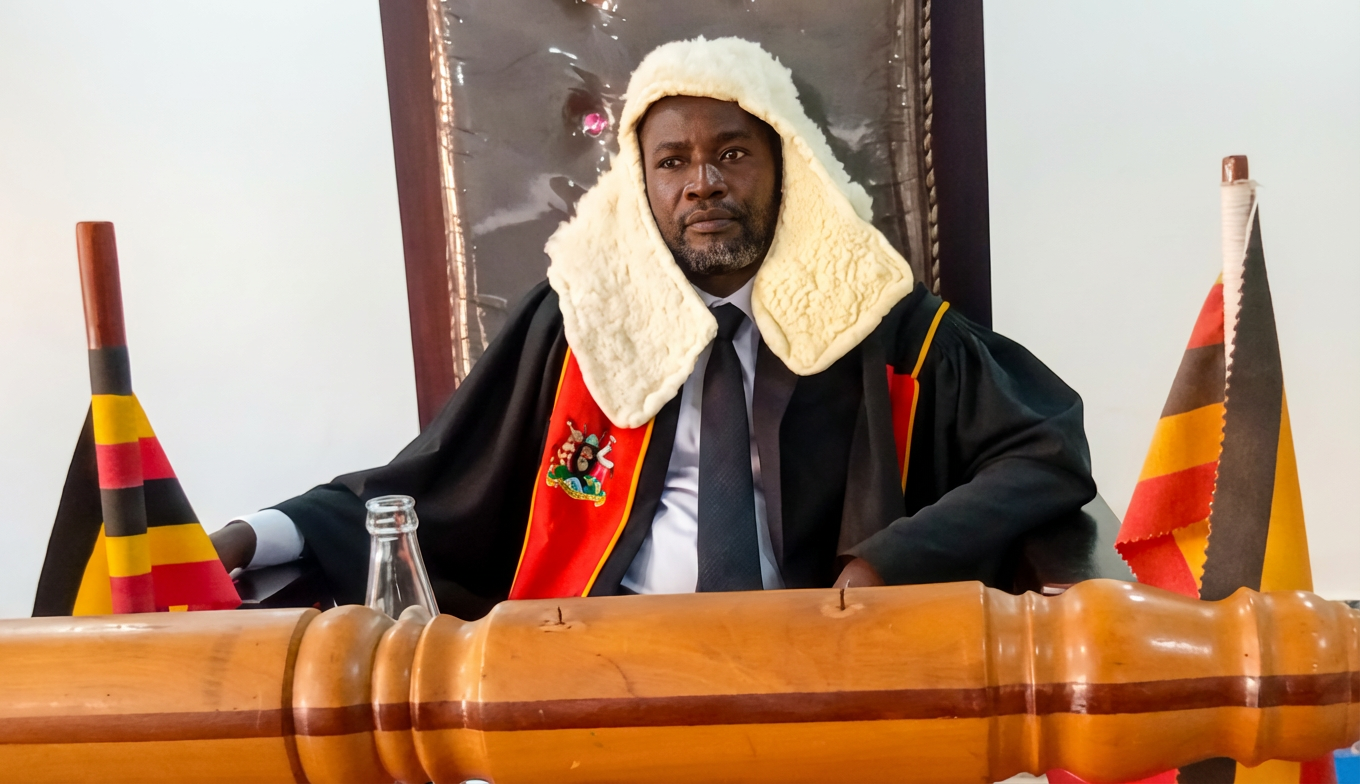
However, the optimism quickly gave way to intense internal conflict, transforming the council into one of the most chaotic in the country. Repeated attempts were made by councilors and the mayor’s office to impeach Speaker Okello, citing allegations of incompetence, misconduct, and failure to perform his duties. Yet, throughout the political turmoil, Okello remained calm and unshaken, maintaining his “innocence”. During a critical hearing overseen by electoral commission returning officer, Rashid Hasakye, he out-argued his accusers, exposing the weakness of the claims against him. With allegations lacking firm legal grounding, he retained his position as the battles within the council continued unabated.

The situation took a tragic turn with the death of Mayor Michael Ogwal Aconga at the height of the conflict. His passing deepened tensions, and although some rivals attempted without evidence to link the stress of the disputes to his death, the widespread nature of the conflict made it impossible to assign blame to any single individual. Nearly every faction within the council was involved in the disagreements. Following his death, Amolo Rose Ongom assumed leadership, inheriting not only the office but also a deeply divided council struggling to find unity.
Despite the persistent infighting, leaders within Lira City West maintained that their confrontations were driven by a desire to improve service delivery. The disagreements, often loud and public, were described as efforts to “disagree to agree.” According to Mayor Amolo, the council’s performance told a different story from its chaotic image. During the presentation of the final budget, she revealed that the division had collected more local revenue than its sister division, suggesting that work had continued despite the noise. In a surprising gesture, she publicly praised Speaker Okello for his later conduct, describing him as humble and mature, while noting that earlier display of such qualities could have led to even greater achievements.
Over time, there was a shift in Okello’s leadership style. The combined impact of political pressure, attempts to oust him, and the death of Mayor Aconga appeared to reshape his approach. He became more tolerant, fair, and measured in presiding over council sessions, even as public opinion remained largely critical. The stigma of the council’s chaos, however, continued to overshadow these changes.
The political consequences extended beyond the council chambers. Okello’s bid for a councilor position in the main city council ended in controversy, as he was initially declared the winner before results were later reversed. He has since insisted that his victory was taken from him, fueling debate among supporters and critics alike. Other prominent councilors, including Awongo Dano Alwak, Ogwal Mike, Zena Opolot, and Akello Lydia also faced mixed electoral outcomes, with some losing their seats while others advanced or retained their positions. Whether these results were significantly influenced by the prolonged conflict remains uncertain.
In the end, the experience of Lira City West raises difficult questions about governance. Did the chaos hinder performance, or did it, in some ways, drive accountability and results? The division faced challenges similar to other parts of Lira City, including poor road networks, yet it made comparable efforts to address them. This suggests that both conflict-ridden and peaceful leadership can struggle or succeed under similar conditions. The council’s own leaders argue that their disagreements pushed them to work harder, and to some extent, their outcomes support this claim.
The key lesson from Lira City West is that conflict in leadership is not inherently destructive, but it must be managed. Without structure, it breeds division and damages public trust; when channeled effectively, it can sharpen decision-making and accountability. For future leaders and communities, the priority should be building systems that allow disagreement without dysfunction, ensuring that the ultimate focus remains on delivering services to the people.
Leave a Reply